How much does it cost to repaint a house exterior?
There is no single price: it depends on the size and height of the house, what the siding is made of and its condition, how much scraping and repair it needs, how many coats and colors the job takes, and labor rates where you live. Written quotes from local painters, for the same scope, are the only reliable number.
What drives the price
- Size and height. More wall means more paint and more hours. A second or third storey means ladders, lifts or scaffolding, and slower work.
- The siding. Wood, stucco, brick, vinyl and fiber cement each take their own preparation, primer and paint. Rough and textured surfaces take more paint than smooth ones.
- Condition and prep. Peeling paint has to be scraped and sanded, rotten boards replaced, gaps caulked and the walls washed before any paint goes on. On a weathered house, prep can take longer than the painting.
- Trim and detail. Windows, shutters, porch railings, columns and decorative trim are slow to paint by hand, and every extra color adds time.
- A change of color. Going from dark to light, or to a strong color, can take a primer and an extra coat.
- The paint. Exterior paints differ in price and in how long they last. Ask each painter which product and sheen they will use.
- Access. Steep ground, a narrow gap to the next house and planting close to the walls slow the work and need protecting.
- Where and when. Labor rates differ from one region to the next, and exterior paint can only go on in suitable weather, which is when painters are busiest.
Older houses and lead paint
In the United States, a house built before 1978 may have lead-based paint under its newer coats. The EPA's Renovation, Repair and Painting (RRP) Rule requires anyone paid to disturb painted surfaces in a home built before 1978 to be certified and trained in lead-safe work practices, and the EPA recommends that homeowners hire a lead-safe certified contractor for such work. See the EPA's page on the RRP program.
How to get a number you can trust
- Settle the colors first. A change from dark to light, or several trim colors, changes the quote.
- Ask at least three painters for a written quote for the same scope: which surfaces (walls, trim, doors, gutters), what prep and repairs, which primer and paint, and how many coats.
- Ask what happens if rot or other damage turns up once the old paint is off, and whether the price is fixed.
- Ask about insurance and any warranty on the work, and, for a house built before 1978, for lead-safe certification.
Choose the colors before the quotes
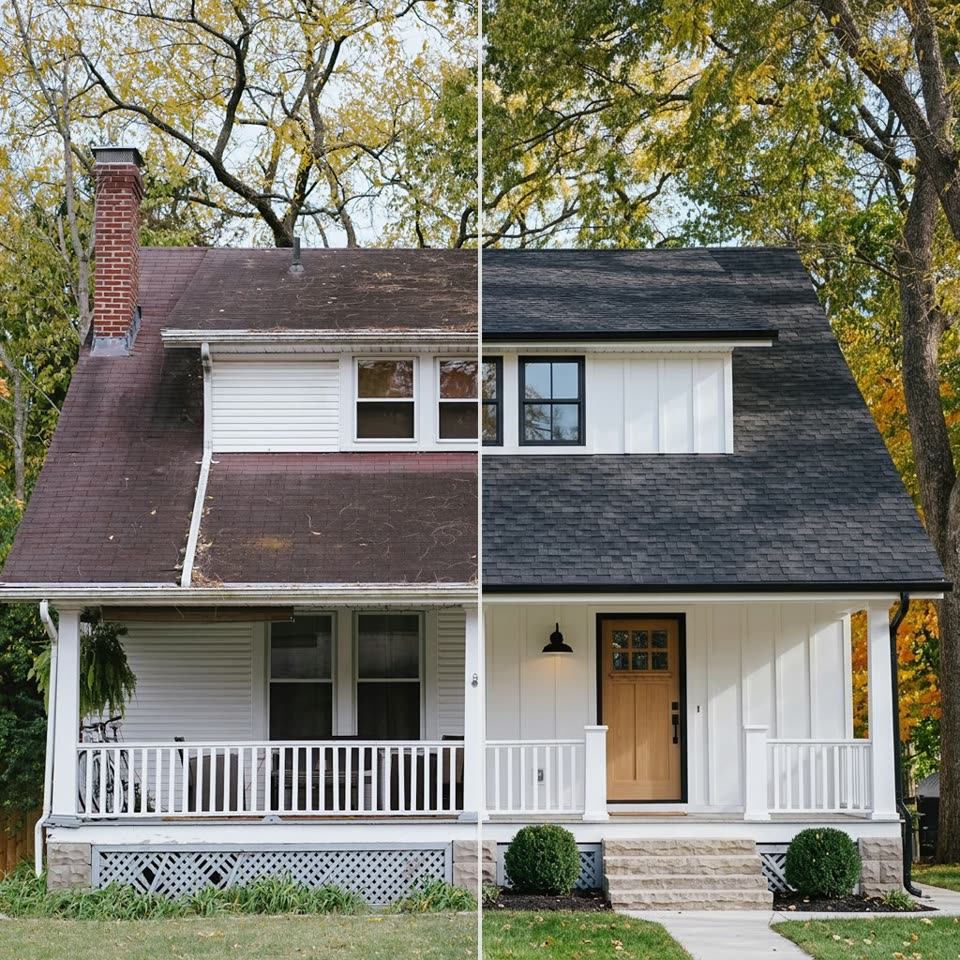
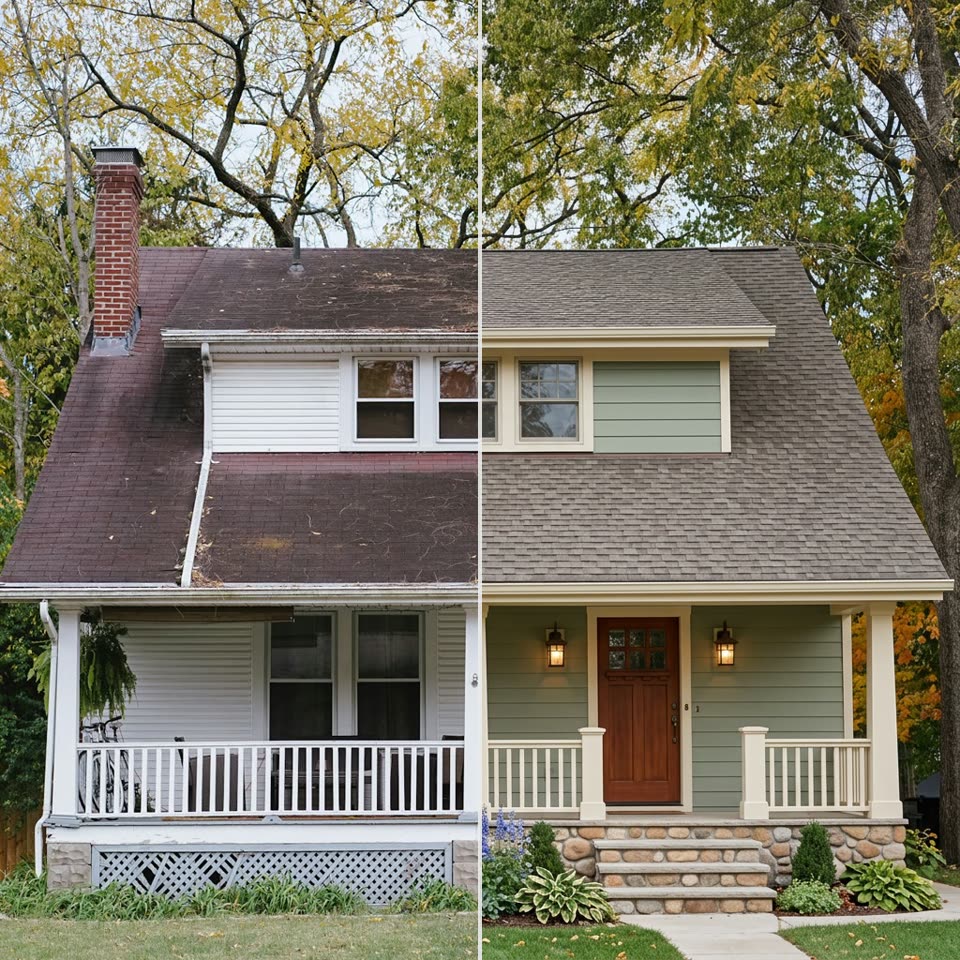
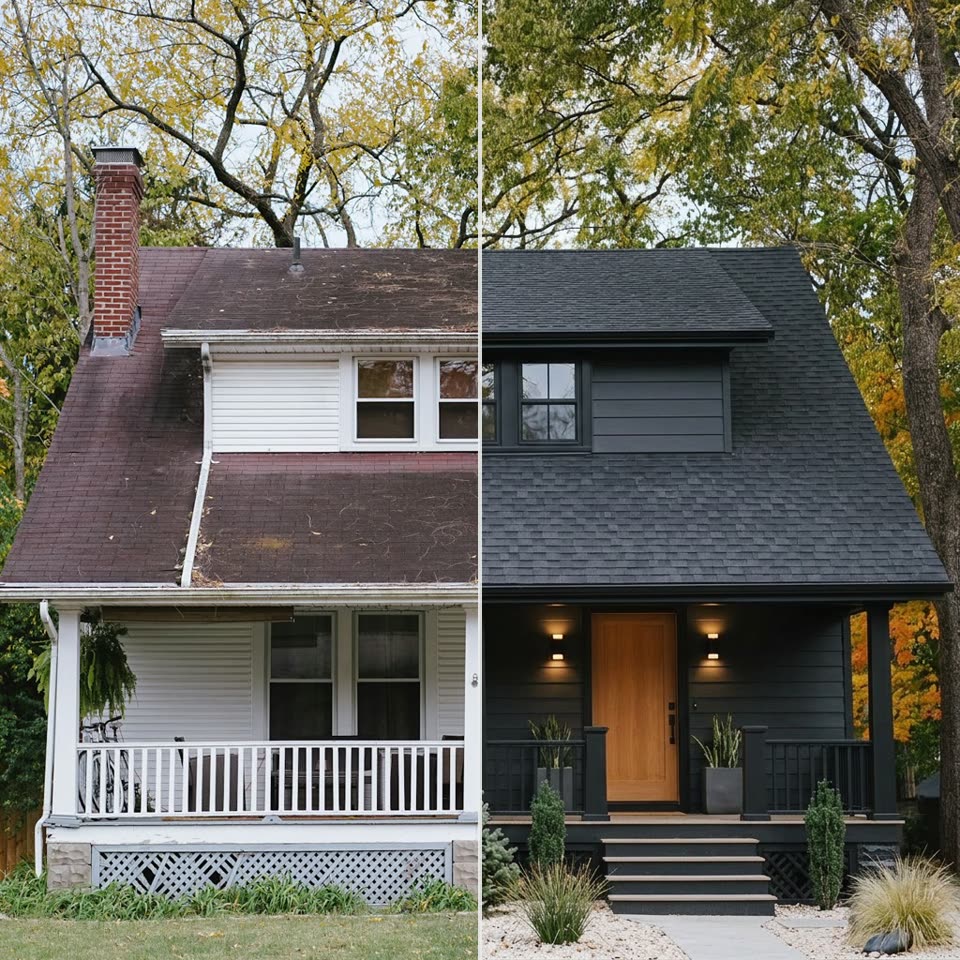
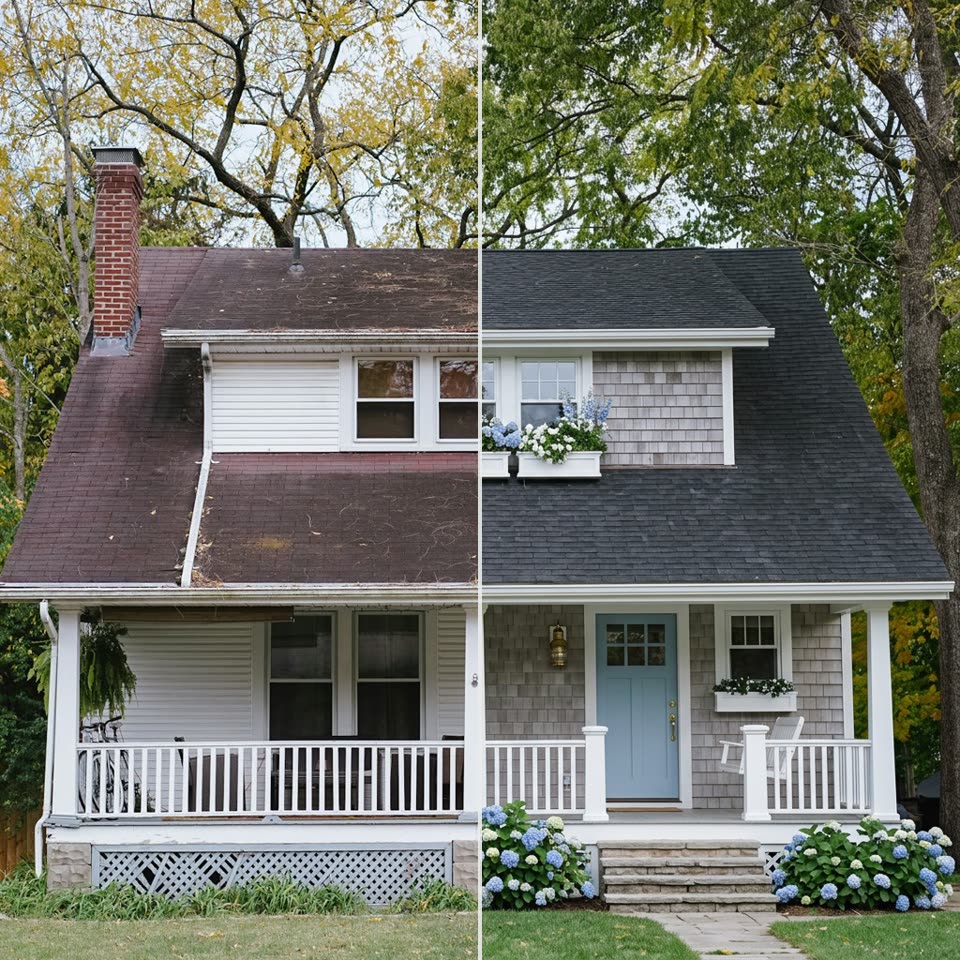
Because the color scheme changes the job, it is worth deciding before painters come round. Photograph the front of your house and try whole schemes on it in Afterhome: white with black windows, sage green with cream trim, charcoal-black with a wood door or grey shingles with white trim. Each keeps the shape, roofline and windows of your house. A screen never shows paint exactly, so paint a sample on the wall before you commit. More in how to see your house in a different color.
Styles to try
Updated 2026-11-25. Written by the makers of Afterhome.